
Taking Care of Your Teeth After Tongue Surgery
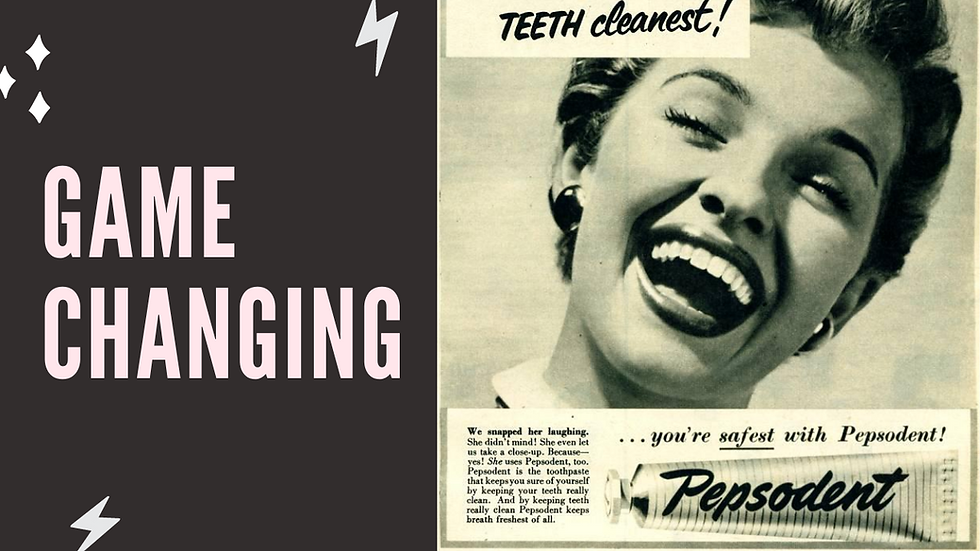
Keeping our teeth and mouth healthy after tongue surgery presents new—and for me, unexpected—challenges that require us to approach oral care differently than we did before surgery.
As we have discovered, the tongue does much more than help us speak and swallow. It constantly moves food around the mouth, helps clear food from the teeth, and works with saliva to keep the mouth clean and PH balanced. When part or all of the tongue is gone, that natural process changes. Food and bacteria linger in places it never did before and reduced or altered saliva can make the mouth feel dry and less able to naturally wash and neutralize acids.
And acid is everywhere—especially citric acid and other acids found in many foods, drinks, and medications. When the mouth isn't clearing those acids as effectively, the teeth become more vulnerable to erosion and decay. And, shifting teeth post-surgery is legit a problem ,making it even more difficult to maintain strong teeth.
Here are some of the things that have helped me, in fact they have made ALL the difference.
Coconut Oil Pulling: My First Line of Defense
My first line of defense is coconut oil pulling. I find it incredibly effective at keeping my mouth clean and moisturized. I typically pull about three times a day.
Coconut oil has antimicrobial properties and acts as an emollient, helping coat and moisturize the mouth. It does an amazing job of sweeping the mouth of all particulates and literally pulling gunk and bacteria out of all the crevices, Swish in mouth for 5 to 20 mins, then spit it all out and then rinse with water or your favorite mouth wash (I go into this later in this post).
I find it healing when the tissues of the mouth are irritated. After surgery, it's surprisingly easy to bump, bite or abrade the inside of your mouth. Those little injuries can happen more often than you'd expect, and they tend to stick around and give us a scare. The coconut oil aids in comforting those abrasions and deterring infection. I've also found a toothbrush that is incredibly gentle on irritated gums, I really love it. I’ll list it below.
Oil pulling has become one of the simplest and most effective things I use throughout the day to help keep my mouth feeling clean, alkaline and moisturized.
Toothpaste Tablets: Oral Care on the Go
I also carry chewable toothpaste tablets with me. They make oral care much easier when I'm out and about. I can chew a tablet, rinse with water, and spit into a cup or outside if I'm somewhere that's appropriate. Then I can do my regular brushing when I get home.
For example, I love taking my time with a strong cup of matcha in the morning. Sometimes I'll take it with me while I drive out to the woods for a morning walk. Once I arrive and finish my matcha on route, I’ll chew a toothpaste tablet, rinse, spit, and head out for my walk. It's a simple way to alkalize my mouth without needing a toothbrush and sink.
One thing I've become very conscious of is timing. I don't like brushing immediately before drinking my coffee or matcha. Acidic drinks can temporarily soften enamel, so I'd rather enjoy my coffee or matcha first and brush later. Sometimes I'll do my coconut oil pull before my morning drink because, for me, it leaves my mouth feeling moisturized and coated rather than stripped and dry.
I've also found a chewable mouthwash that works much like the toothpaste tablets. I chew it, swish with water, and spit. I always carry a portable toothbrush and a small tube of toothpaste with me too.
I've learned that I simply can't be as casual about oral care as I once was. After acidic foods or drinks, I need to use methods that reduce acidity and remove particulates in the mouth
My teeth used to be incredibly strong. I rarely had cavities, and I liked my smile.
Then life changed all of that.
And that's okay.
We adapt.
Recently, I also discovered an oral spray that is citric-acid-free and designed to support a healthier oral environment by shifting the mouth's pH and providing prebiotic and probiotic support. It's another little tool I can carry with me and use throughout the day.
It’s taken years to figure all this out, and now I have several simple tools available that make all the difference. I also have an assortment of holistic; alcohol-free mouth washes I use on the regular, one in particular has silver in it and it helps with healing wounds and keeping bacteria at bay. I don’t use anything with chemicals, alcohol, or saccharin (unfortunately, most mouth washes have all of these).
On occasion, if I find my teeth are super sensitive ill use a prescription fluoride toothpaste and leave the paste on my teeth for about 20 minutes before rinsing, I find I don’t need it though if I do all the methods listed above.
A Simple Rinse and a Water Flosser
Another thing I like to carry is a small canister of water with a pinch of salt, about a teaspoon of baking soda, and a splash of mouthwash. After something sweet or acidic, I can simply rinse with it and spit. It's an easy way to help rinse away food particles and freshen my mouth when I'm away from home.
I would also recommend investing in a water flosser. The classic water pick comes with different attachments, including one designed for cleaning the tongue. I use mine at night before bed, but it's especially helpful after eating something that leaves a lot of particles behind or sticky residue, like chocolate.
When you can't rely on your tongue to do the cleanup it once did, having tools that can help with that job becomes incredibly valuable. For me, these little routines have made a big difference in keeping my mouth feeling clean and cared for throughout the day.
Here is a list of some of my favorite things:
(I dont get paid to recommend these, just my faves)
Mouth Spray
Mouth Rinse:
Tooth paste tablets:
Remineralizing drops:
Mints
Powdered toothpaste:
Super gentle toothbrush


Comments